By Bill Kimbley · Owner, DSR Roofing · U.S. Air Force veteran (20+ years) · Tile Roofing Industry Alliance Certified
Monsoon storms are hitting Oro Valley roofs hard
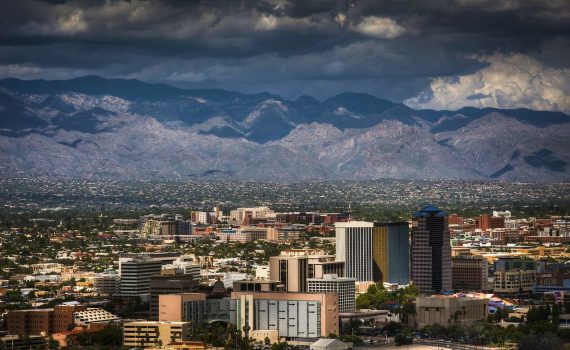
Monsoon season is in full swing in Tucson, and this month’s storms hit Oro Valley especially hard. The National Weather Service clocked gusts near 80 mph across the Tucson area, snapping trees and knocking out power for thousands of customers. Our phones lit up with calls about lifted roofs, shifted tiles, and water pouring into living rooms.
If you live in Rancho Vistoso, Sun City Vistoso, or anywhere off Oracle Road, you may have heard things moving around above your ceiling that night.
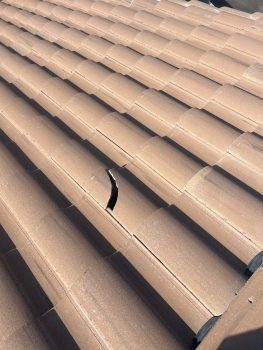
Here is what most homeowners do not realize: your tile roof can look perfectly fine from the driveway and still leak with the next rain. A storm like this one shifts tiles, cracks ridge caps, blows the tops off vents, and tears at flashing. Almost none of that is visible from the ground.
That is exactly why we recommend at least one professional roof inspection every year, ideally before or during monsoon season.
Your tile is not what keeps the water out
Your tiles shed roughly 90 to 95 percent of the water that hits your roof. But tile is not waterproof, and it is not what protects your home.
The real protection is your underlayment, the layer of roofing felt installed underneath the tile. Wind drives rain sideways and pushes water up under the tiles. The underlayment is the waterproof barrier between that water and your wood decking. If your underlayment is intact, water that gets under a tile simply runs back out. If it has failed, that same water ends up on your ceiling.
This is why the condition of your underlayment is the single most important thing to know about your tile roof.
How long does tile roof underlayment last in Tucson?
On most original roofs in the Tucson area, the underlayment is 30# or 40# roofing felt. After 15 to 20 years in Arizona heat, that felt dries out, cracks, and loses its ability to hold water back.
A cracked or slipped tile is not an automatic leak. But it exposes the felt beneath it to direct sun and rain, and that felt degrades fast once it is uncovered. Small tile damage today becomes a leak in a year or two.
Most homes in Rancho Vistoso were built between 1990 and 2005, which puts those roofs at 20 to 35 years old. If the underlayment has never been replaced, it is due. At minimum, get an inspection so you know the actual condition of your felt and whether you have broken tiles right now.
Want the full breakdown? Read our guide to tile roof underlayment replacement in Tucson.
What an 80 mph storm actually does to a tile roof
After a big monsoon blow, these are the four problems we get called about most.
1. Slipped and shifted tiles
Arizona code does not require every tile to be fastened down. Only the perimeter rows are required to be nailed. When high wind catches the field tiles at the right angle, it lifts and slides them out of position. A shifted tile leaves the felt and the tile below it exposed to the next storm.
2. Lifted or missing vents and vent caps
Most vents on a tile roof are two-piece. High wind bends the upper cap or blows it off the roof entirely, leaving the lower piece and the underlayment wide open. Leaks around vents are one of the most common calls we get after a storm.
3. Impact breaks from flying debris
Wind-driven branches, palm fronds, and loose yard debris crack tiles on impact. A single tree limb can break several tiles across one section of roof. If you have similar concerns from a different storm, our post on roof hail damage covers what impact damage looks like.
4. Lifted flat-roof edges
If you have a flat roof section or a flat porch roof, high wind can get under the edge and peel it back. This one is usually visible from the ground. Our flat roof repair team can tell you quickly whether it is a patch or a replacement. If water is already coming in, call for emergency roof repair rather than waiting for the next storm.
5 things homeowners can safely check from the ground
You do not need to get on the roof to do a first pass. In fact, please do not. Walking a tile roof takes technique, and stepping in the wrong place cracks more tiles than the storm did.
Here is what you can check safely from the ground:
- Tile lines. Tiles run in straight rows. Sight down each row and look for anything crooked, lifted, or out of line.
- Broken pieces on the ground. When a tile breaks up top, the pieces usually roll down and land in the gravel or landscaping. Walk your perimeter.
- Ridge lines. Ridge tiles sit highest and take the most wind, so they move first. Scan the peak of the roof for gaps or shifted caps.
- Vent tops. Confirm every vent still has its cap. If you are not sure what you are looking at, compare against your neighbors’ roofs.
- Ceiling stains. Walk your interior and look up. Most roof leaks show as brown water rings on the ceiling or at the top of a wall.
These five checks will catch obvious problems. They will not catch failing underlayment, cracked mortar, or damaged flashing, which is where most leaks actually start.
DSR Roofing provides free roof inspections throughout Oro Valley and the greater Tucson area. We document everything with photos, and we will not try to sell you something you do not need.
When a tile roof repair is the right call, and when it’s not
A lot of homeowners hesitate to call a roofer because they assume they will be told they need a full replacement. That fear is not unfounded. In our experience, a large share of roofing companies in Tucson push replacements whether the roof needs one or not.
We would rather give you the criteria and let you judge for yourself.
A repair is usually the right call when:
- The damage is isolated to a specific area rather than spread across the roof
- The repair will realistically buy you at least two more years
- The underlayment is still in serviceable condition
- The roof is generally under 20 years old and the decking is solid
- The cost of the repair makes sense relative to the cost of a replacement
Most of our tile roof repair jobs start around $300 to $500 and go up depending on what we find once we are on the roof.
A full replacement makes more sense when:
- The roof is 20 years or older and the felt is at the end of its life
- The underlayment has failed across a wide area, not just one spot
- The decking is rotted over large sections
- More than 25 to 30 percent of the tiles are broken and the felt beneath them is degraded
What is a “lift and lay” tile roof replacement?
A lift and lay is how most tile roofs get replaced in Arizona. We set your existing tiles aside, strip off the old felt and battens, replace any rotted wood, install new high-temp peel-and-stick underlayment, and reset your same tiles back on top.
Tile itself lasts 50 to 100 years. It is the felt underneath that wears out. That means you do not buy a whole new roof of tile, only replacements for the pieces that are cracked or broken. If you do need replacement tiles, our post on matching roof tile colors explains how we blend new tile with weathered existing tile.
Learn more about our tile roof replacement process, or see typical roof replacement costs in Tucson.
Whether your roof needs a repair or a replacement, we will shoot straight with you. A roofer you can trust gives you real options and photo evidence for every recommendation. I would rather walk away from a job than charge someone for a replacement they do not need.
5 ways to spot a “replacement only” roofing company
In my experience, a significant share of roofing companies in Tucson will sell a replacement when a repair would have solved the problem. Here is how to tell the difference before you sign anything.
1. Pressure tactics
Companies that work their way to your kitchen table and will not leave until you sign are a red flag. Watch for guilt-based pitches and the “let me get my manager on the phone” routine. These outfits often charge two to four times what a normal replacement costs, and replacement is the only thing they sell.
2. Drone-only inspections
Drones are genuinely useful in roofing, but a drone cannot lift a tile and inspect the underlayment beneath it. If a company shows up and never gets on the roof, be cautious. Many will pull your home’s age off Zillow and assume the felt has failed. The footage looks impressive. It is still just a sales tool.
3. Very short inspections
If a contractor spends five minutes on your roof and takes a handful of photos, they decided what to recommend before they pulled into your driveway. A real tile roof inspection takes at least 15 to 20 minutes to assess age, underlayment condition, flashing, and tile integrity.
4. Missing or misleading photo evidence
Replacement-only companies tend to document very little, because thorough documentation would undercut the pitch. When they do provide photos, watch for shots taken at the ends of valleys, where underlayment always looks worst. Ask to see photos of the main field of the roof, not just the valleys and vents.
5. Talking replacement before the inspection
If your roof is 20-plus years old, it is fair for a roofer to mention that replacement may be on the table. But nobody can know until they physically inspect it. If a contractor is preparing you for a replacement before they have been on the roof, you are likely dealing with a company that only sells replacements.
None of these signs is proof on its own, but the pattern is consistent. For more on vetting a contractor, see our guides on how to choose a roofing contractor and the questions to ask your Tucson roofing contractor.
What to expect from a post-storm roof inspection
If you need a post-monsoon inspection, here is the standard a good roofer should meet.
1. A thorough walk of the entire roof
A qualified roofer inspects from the ground first, then gets on the roof and checks tiles, flashing, mortar packs, valleys, fascia, chimney, vents, and skylights. Anything less is a spot check, not an inspection.
2. Complete photo documentation
Everything should be documented, good and bad. Photos should show both the problem and where it sits on the roof. Be skeptical of extreme close-ups with no context, which are often used to make normal wear look catastrophic.
3. A detailed written estimate
If an estimate is three vague lines, ask what is missing. Roof work is not cheap, so you should know exactly what materials are being used and what work is included. Get it in writing so both sides know what was agreed to.
Get honest eyes on your roof after this storm
At DSR Roofing, we document every roof with before-and-after photos, put every scope in writing, and back our work with a 2-year workmanship warranty on repairs and a 10-year warranty on replacements. We are veteran-owned, BBB A+ accredited, and one of the few Tile Roofing Industry Alliance certified crews in Tucson.
If you want someone to look at your roof after this storm and tell you honestly what they find, we are glad to do it. Inspections are free and there is no pressure.
Call 520-444-5218 or schedule your free roof inspection online. You can also get an instant online estimate or read our reviews from Tucson-area homeowners.
Frequently asked questions about tile roof storm damage
My tiles look fine after the storm. Do I still need to worry?
Possibly. Sight down your tile rows for anything shifted or crooked and check the ground for broken pieces. If everything looks straight, your roof may be fine. But shifted tiles and lifted flashing are often invisible from the ground, so if you have not had an inspection in over a year, it is worth scheduling one.
How much does tile roof repair cost in Oro Valley?
Most tile roof repairs start around $300 to $500 and go up with the scope of work. You get a written estimate before any work begins. We are also upfront that the price can change if we get on the roof and find the underlayment underneath has failed.
Should I get on my roof to check the damage myself?
We do not recommend it. Walking a tile roof is dangerous, and without the right technique you will crack tiles that survived the storm. Unless you know exactly what to look for, you are also likely to miss the damage that matters. Call a licensed roofer instead.
Is monsoon storm damage covered by insurance?
Some of it may be. Most carriers look for sudden, unexpected, storm-related damage rather than gradual wear. If you are unsure, give us a call and we can help you decide whether filing is worth it. Sometimes a straightforward repair costs less than what a claim does to your long-term premiums and coverage.
Do I need a full tile roof replacement or just a repair?
If the damage is isolated and the underlayment is still good, a repair is usually the right answer. If the roof is 20 years or older with widespread felt failure, rotted decking, or more than 25 to 30 percent of tiles broken, a lift-and-lay replacement makes more financial sense.
How often should I get my tile roof inspected in Tucson?
At least once a year, ideally before monsoon season starts in June, plus a follow-up after any major storm. Our post on preparing your roof for monsoon season covers what to do ahead of the storms. If you travel seasonally or would rather not track it yourself, ask about Rooftop Guardian, our semi-annual 22-point inspection with a photo report after every visit.