By Bill Kimbley · Owner, DSR Roofing · U.S. Air Force veteran (20+ years) · Tile Roofing Industry Alliance Certified
The short version: After a monsoon storm, wait until it’s safe, then check your tile roof from the ground for broken, cracked, or slipped tiles and any debris that landed up there. It’s always best to have a licensed roofer inspect for the hidden damage you can’t see. And if you think you need to file an insurance claim, get the roof inspected before you file, or have the roofer at the home when you do.
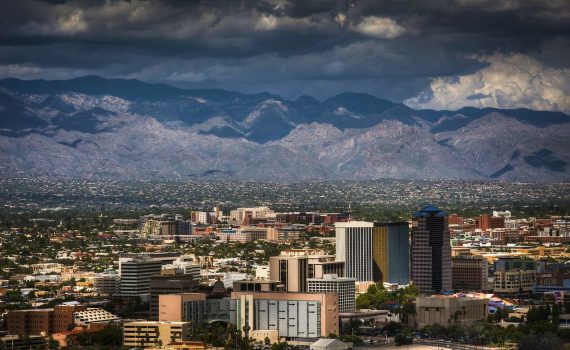
Monsoon season in Tucson runs from June 15 through September 30, and this year forecasters are calling for above-normal rainfall due to El Niño conditions. That usually means more of the violent storms that cause significant damage. El Niño monsoon storms bring high winds, microbursts, wind-driven debris, blowing dust, and the occasional burst of hail, and all of it can take a toll on your roof and your property.
Why Tucson Monsoons Are So Hard On Tile Roofs
The wind is the real problem. Tucson monsoon storms regularly produce microbursts, which are sudden downdrafts of wind that can hit 60 to 70 mph. During one 2024 storm, the National Weather Service clocked a 76 mph gust in the Tucson Mountains. That kind of force gets under the edge of a tile, lifts it, and can slide it out of position or snap it.
A single storm a couple of summers ago knocked down more than 40 power poles and thousands of trees across the Tucson metro. All of those tree branches have to land somewhere, and a lot of them land on roofs. A heavy branch dropping onto a concrete or clay tile can crack it on impact. Every monsoon season, a good share of our calls come from tree damage to tile roofs.
Your Tile Is Not What Keeps Your Roof Dry
The tile isn’t the only part of your roof that keeps water out. It stops about 95% of the water from ever reaching the underlayment, but the underlayment is the real water stopper. The tile protects the underlayment from the sun and the elements, and it gives your home that Tucson look, but the felt below it is what actually keeps the rain out of your house.
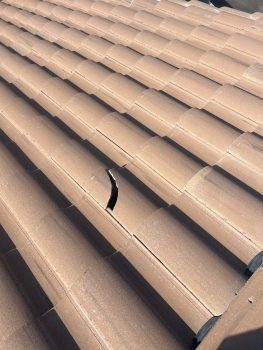
That’s why a broken tile after a storm isn’t always an emergency, but it’s not something to ignore, either. If a tile cracks or slips and the underlayment below it is still in good shape, you usually have a simple tile roof repair and no roof leaks.
Unfortunately, if that broken tile sits there through the rest of monsoon season, the sun and the wind-driven rain start working on the exposed felt, and that can lead to leaks inside the home. Once the underlayment fails, water gets in no matter how good the rest of your tiles look. Catching the damage early is the name of the game.
What To Do After A Monsoon Storm Hits Your Tile Roof
First, when it’s safe, walk around your house and look at the roof from the ground. Don’t climb up. Look at the edge tiles along the eaves and the field tiles across the main slopes. You’re looking for tiles that are obviously broken, and for areas where the tiles look shifted or out of line, which usually means the wind moved them.
Second, look for debris that landed on the roof. High winds deliver tree branches and other debris from neighboring yards, and that weight sitting on your tile can crack more of it or trap water against the surface. If you can safely clear light debris from the ground or a stable spot, do it. Leave anything that would require getting up on the roof to a professional.
Finally, for total peace of mind, call a certified, licensed roofer to inspect the roof for the damage you can’t see from the ground. You want a roofing company that will actually do roof repairs, not one that tries to sell you an unnecessary replacement. It’s always smart to ask whether a company does repairs before they come out, because some companies only want the bigger replacement job.
The Hidden Damage You Can’t See From The Ground
Here’s what an inspection catches that a homeowner standing in the driveway never will. After a monsoon, the damage we find on tile roofs almost always falls into one of these categories:
- Slipped or shifted tiles that the wind pushed out of position, leaving the underlayment below them exposed
- Loosened or displaced ridge and hip caps along the peaks of the roof, which a strong gust can knock out of place, leaving a gap for wind-driven rain
- Hairline cracks on the top face of a tile that look perfectly fine from the ground but let water seep through
- Branches and debris jammed down into the valleys where two roof slopes meet, which traps water and blocks drainage
- Torn or exposed underlayment in small spots, which is the actual start of a leak even when every tile around it looks normal
- Bent or pulled-up flashing around vents, chimneys, and skylights, where wind-driven rain finds the easiest path in
Most of these problems can’t be seen from the ground, which is why a professional inspection matters. A thorough inspection covers the entire roof: the tiles are checked, the underlayment is verified, the mortar packs are examined for cracks, and the flashings are confirmed to be sound so your roof can handle the rest of the monsoon season. A good Tucson roofer will document what they find with photos so you can see it for yourself instead of taking their word for it.
How To Handle A Monsoon Insurance Claim The Right Way
If you find damage and think you may have an insurance claim, get the roof inspected by a roofer first, before you call your insurance company. Tile damage from wind is often not obvious, and you want to relay accurate information to your insurer from the start so your claim has less chance of being rejected. Some insurance companies will reject or shortchange a claim if the initial information is incorrect or misstated.
It’s also often best to let the roofer talk to the insurance adjuster directly. You don’t want to get on the phone and describe the damage in detail, because if you say something slightly wrong, it can hurt your claim. Keep your own statement simple. Something like, “My roof was damaged during the recent monsoons. I’m not a roofer, so I’m not sure exactly what happened up there and I don’t want to speak wrongly about it,” is enough to open the claim without painting yourself into a corner.
Last year I tried to help a woman with a roof claim. She had obvious hail damage, but when she called it in, she told her insurance company it was wind damage. That became the initial claim. When the adjuster came out, he was fixated on the wind damage and glossed right over the hail. We tried working with them on the hail, but they kept pushing the dates out until the window for her claim finally fell through. Not all insurance companies are this shady, but this likely would’ve gone differently if a roofer had spoken to the adjuster before the homeowner did.
A roofer who documents the damage properly gives you the photos and the detailed description the adjuster needs to settle a clean claim. From there, you can have the roofer work with the adjuster for you, which is usually the smoothest path. Either way, you’re starting from facts instead of guesses.
Frequently Asked Questions About Monsoon Tile Roof Damage
How Do I Know If My Tile Roof Was Damaged In A Monsoon?
From the ground, look for broken, cracked, or shifted tiles and any debris sitting on the roof. Look around at your neighbors’ homes too. Chances are, if they have damage, you have damage as well. The only way to know for sure is a professional inspection.
Does A Broken Tile Always Mean My Roof Will Leak?
Not right away. The underlayment beneath the tile is what actually keeps water out, so if it’s still intact, a broken tile is usually a simple repair. But if it sits exposed through the rest of monsoon season, the wind-driven rain and sun can fail the felt underneath and start a leak.
Is It Safe To Get On My Roof After A Storm?
Not usually. More than 500,000 ladder-related injuries happen every year, and over 300 people die from them. Tiles can be challenging to walk on, and a wet or damaged tile roof is dangerous for you and can crack more tiles under your weight. Inspect from the ground and let a licensed roofer handle anything that requires getting up there.
Should I Call My Insurance Company Or A Roofer First?
Have a roofer inspect and document the damage first so your claim starts from accurate information. The roofer can then talk to the adjuster directly, so a single wrong word on your part doesn’t end up hurting your claim.
How Long Do I Have To Deal With Monsoon Damage?
The sooner the better. Monsoon season runs through September 30, and an unaddressed crack or exposed spot can turn into an interior leak during the very next storm. If you have an active leak right now, our emergency roof repair team can stabilize it the same day. Catching it early is almost always cheaper than waiting.
How Much Do Tile Roof Repairs Cost?
Tile roof repairs can cost as little as a couple hundred dollars or upwards of a couple thousand, depending on the damage. It’s always worth remembering that a small tile repair now could save you thousands down the road.
DSR Roofing Will Tell You The Truth About Your Roof
If you need help with monsoon tile roof damage, DSR Roofing would be happy to take a look. We’re a veteran-owned, licensed, bonded, and insured roofing company serving southern Arizona. We offer free roof inspections, and our trained roofing specialists will help you find the best solution for your roof, whether that’s a small repair or, if the roof truly needs it, a replacement.
We like to tell our clients that our company protects homeowners from unethical contractors who want to take advantage of them. We do that by teaching homeowners about their roofing system, presenting the best option for their needs and budget, and following up with a legendary roofing experience.
We won’t upsell you. If a repair will do the job right, that’s what we’ll tell you. If we find a bigger problem, we’ll show you the photos and explain exactly what’s going on. We document every job with before, during, and after photos, we back our repairs with a 2-year workmanship warranty and our tile replacements with a 10-year workmanship warranty, and we’ll always tell you the truth about your roof.
Give us a call at 520-444-5218 to schedule your free inspection. Whether the next storm has already hit or you just want to get ahead of the rest of monsoon season, it always pays to know exactly where your roof stands.